Photostability Testing for Pharmaceuticals: Equipment, Procedures, and Quality Control
Pharmaceutical products must retain appropriate quality throughout their intended storage and use conditions. Light exposure is one environmental factor that can affect certain active pharmaceutical ingredients, excipients, formulations, and packaging systems. Depending on the product, exposure may contribute to chemical degradation, colour changes, or other alterations that require scientific evaluation. Photostability testing helps manufacturers investigate these effects using controlled exposure conditions and suitable analytical methods.
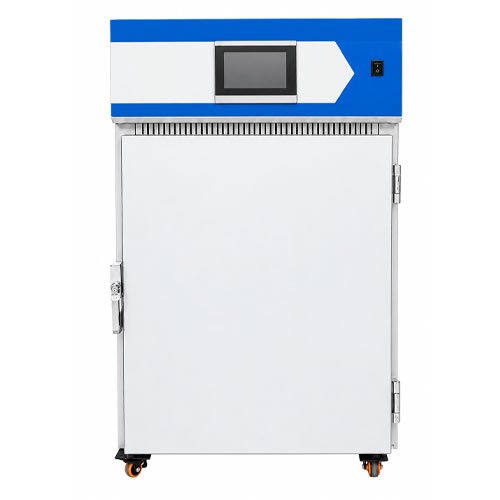
A photo stability chamber provides the controlled illumination environment used in many such studies. JSK Engitech features a product page dedicated to photo stability chambers, which may be useful to laboratories researching equipment for light-exposure testing. The chamber itself is only one part of a complete testing programme: the study protocol, sample preparation, exposure verification, analytical testing, and documentation are equally important.
Understanding Pharmaceutical Photostability
Photostability describes the ability of a substance or product to withstand light exposure without undergoing unacceptable changes. Some pharmaceutical materials absorb particular wavelengths of light and enter excited molecular states that can lead to chemical reactions. These reactions may produce degradation products or alter properties relevant to product quality.
The sensitivity of a formulation depends on its chemical composition, physical form, packaging, and exposure conditions. Two products containing different ingredients may respond very differently to the same lighting environment. Even different formulations of the same active ingredient may require separate evaluation because excipients and packaging can influence light transmission or chemical stability.
Why Finished Products and Drug Substances May Require Evaluation
A drug substance may have different exposure characteristics from a finished medicinal product. Formulation ingredients can influence how light reaches the active ingredient, while the container and packaging may either transmit or reduce exposure. Testing should therefore reflect the relevant material and the purpose of the investigation.
Depending on the product development stage and applicable requirements, studies may support decisions about formulation design, packaging selection, labelling, handling, and storage recommendations. The exact testing strategy should be established according to the relevant regulatory guidance and approved development programme.
The Role of a Photo Stability Chamber
A photo stability chamber provides a defined environment in which samples can be exposed to selected light sources under controlled conditions. Pharmaceutical photostability studies may use visible and ultraviolet illumination according to the applicable test protocol. The chamber should support the intended exposure conditions and provide a practical means of arranging and monitoring the samples.
The reliability of the study depends on the actual exposure delivered rather than the nominal settings alone. Laboratories should verify the relevant illumination parameters using suitable instruments and document the exposure conditions. Temperature may also need to be monitored because light sources and environmental conditions can influence sample temperature.
Sample Arrangement and Exposure Uniformity
Sample position can affect exposure when illumination varies across the chamber. Containers, racks, and adjacent samples may also create shadows. Laboratories should follow the equipment manufacturer's recommendations and the approved protocol for sample placement, spacing, and orientation.
Where uniform exposure is important, the usable exposure area should be understood and verified as appropriate. Records should identify the sample arrangement and any relevant changes made during the study.
Designing a Suitable Photostability Study
A sound study begins with a written protocol that defines the purpose, samples, exposure conditions, controls, analytical methods, and acceptance criteria where applicable. The protocol should identify the relevant light sources and explain how exposure will be measured and documented.
Sample preparation must be consistent enough to support meaningful comparisons. Containers should be labelled, sample quantities should be appropriate for the analytical methods, and any required protected controls should be prepared according to the study design.
- Define the product or substance being evaluated.
- Specify the purpose of the study and the relevant test conditions.
- Identify the required light sources and exposure measurement methods.
- Establish sample quantities, container types, and placement arrangements.
- Determine the control samples required for interpretation.
- Specify the analytical tests and procedures for reviewing results.
- Document equipment identification, operating conditions, and deviations.
Monitoring Exposure and Environmental Conditions
Exposure conditions should be documented using suitable measurement methods. Laboratories must understand the difference between illumination settings and the accumulated exposure received by a sample. If the study specifies a particular exposure level, the relevant measurement procedure should demonstrate when that condition has been achieved.
Temperature monitoring may be important because photochemical effects and thermal effects can occur together. A study should distinguish these influences as far as required by its objectives. Appropriate protected controls, temperature records, and other study elements can help support interpretation when selected according to the protocol.
Instrument Calibration and Verification
Measurement instruments should be suitable for the wavelength range and exposure parameters being assessed. Their calibration or verification status should be maintained according to the laboratory's quality system and the manufacturer's recommendations.
Records should identify the instruments used, the relevant measurement conditions, and any deviations that could influence the results. If an instrument is found to be outside its required performance limits, the laboratory should evaluate whether previously collected data may have been affected.
Analytical Evaluation of Exposed Samples
After exposure, samples are assessed using analytical methods appropriate to the product. These may include potency testing, impurity profiling, colour evaluation, visual inspection, or other relevant physical and chemical assessments. The specific methods depend on the substance, formulation, study objective, and applicable requirements.
Comparisons between exposed samples and suitable controls can help investigators identify changes associated with the test conditions. Any observed difference should be interpreted in the context of method variability, sample handling, and the overall study design. A change in appearance may justify additional investigation, but visual observations alone may not establish the chemical significance of the change.
Using Results to Inform Packaging Decisions
Packaging can affect the amount of light reaching a pharmaceutical product. Transparent, translucent, and opaque materials may provide different levels of protection depending on their composition and construction. Photostability results can help manufacturers assess whether the existing packaging provides suitable protection or whether alternative materials should be investigated.
Packaging evaluation should reflect the intended product presentation and the applicable requirements. A laboratory should not assume that a container provides sufficient protection simply because it appears coloured or opaque. Relevant light transmission characteristics and product-specific study findings should support the decision.
Common Sources of Study Error
Uncontrolled sample positioning, inadequate exposure measurement, inconsistent sample preparation, incomplete records, and unsuitable analytical methods can weaken the interpretation of a photostability study. These problems may create uncertainty about whether an observed change resulted from light exposure or another factor.
- Using exposure settings without verifying the delivered light conditions.
- Placing samples in areas that do not receive the intended exposure.
- Failing to maintain appropriate control samples.
- Overlooking temperature effects during light exposure.
- Using instruments without appropriate calibration or verification.
- Leaving deviations or sample handling changes undocumented.
Preventing these issues requires a clear protocol, trained personnel, appropriate equipment, and documented review procedures. When a deviation occurs, its potential impact should be assessed before the study is considered complete.
Equipment Selection for Pharmaceutical Laboratories
Laboratories should evaluate the chamber's light source capabilities, exposure measurement arrangements, temperature monitoring, sample capacity, safety features, and documentation requirements. The level of control needed will depend on the intended use and the applicable regulatory expectations.
The JSK Engitech photo stability chamber product page is a relevant starting point for researching equipment options. Specific capabilities, supplied instruments, control features, and technical documentation should be confirmed before procurement to ensure that the proposed system is suitable for the intended pharmaceutical studies.
Conclusion
Pharmaceutical photostability testing helps manufacturers understand how light exposure may affect drug substances, finished products, and packaging systems. A photo stability chamber provides the exposure environment, but dependable conclusions also require suitable controls, verified exposure measurements, appropriate analytical methods, and complete documentation.
Laboratories should develop studies according to applicable guidance and product-specific Photo Stability Chamber requirements, then select equipment that supports those conditions. By integrating suitable chamber design with a sound testing protocol, pharmaceutical teams Photo Stability Chamber can produce more meaningful evidence for product quality and packaging decisions.